Pet health & symptom guidance
Understand symptoms, preventive care and common health concerns with clear, evidence-informed guidance.
Veterinary review standards
Evidence-informedEvery article and symptom evaluation on PetsWhirl is drafted against published clinical research and verified by licensed veterinary medical advisors.
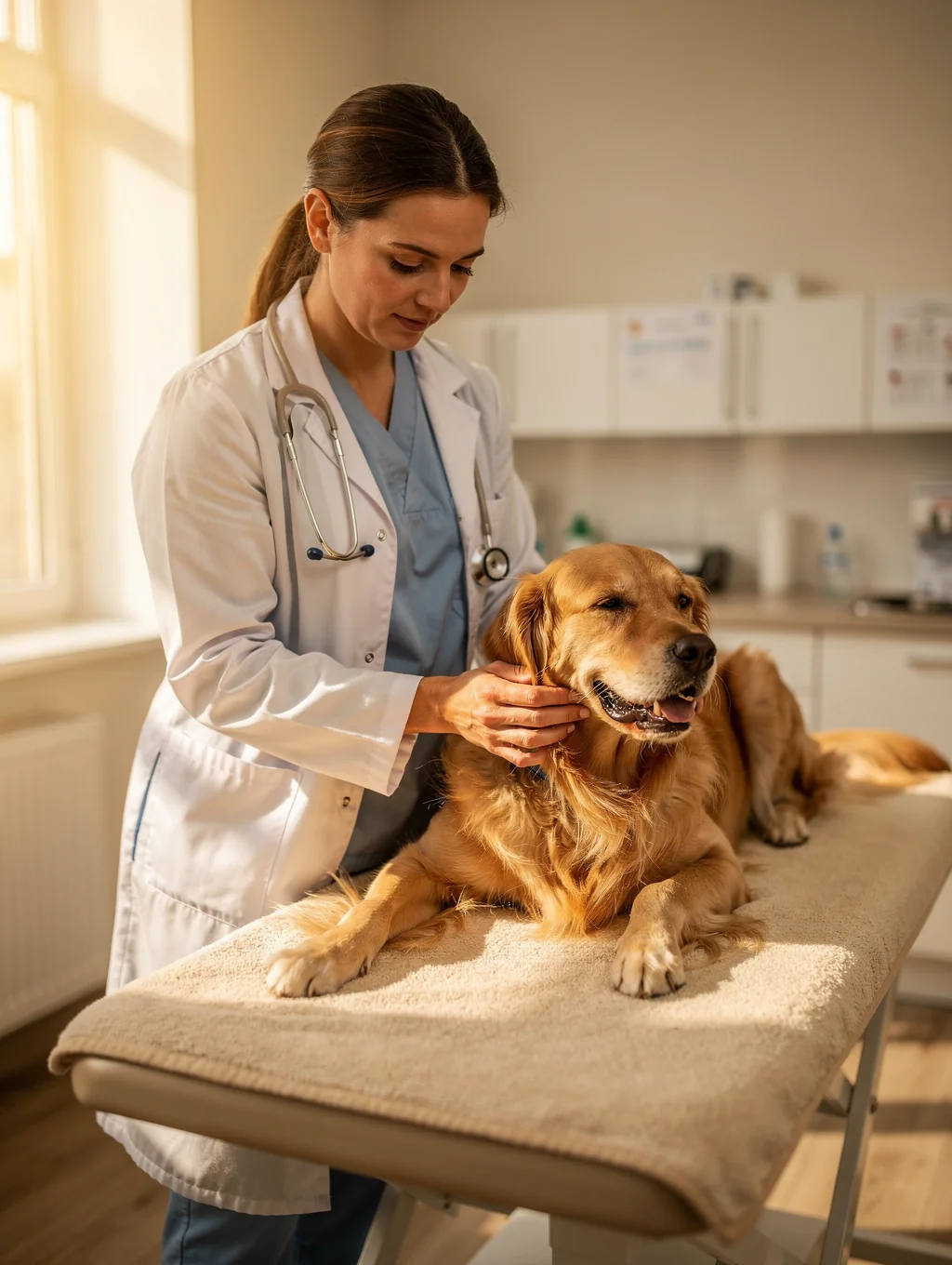
Symptom clarity
When to consult your veterinarian promptly
Explore pet health topics
Browse evidence-informed guidance covering common symptoms, preventive routines, and clinical steps across 22 primary veterinary domains.
Every topic is reviewed by licensed veterinary professionals
Our guides cite peer-reviewed veterinary literature, clinical trials, and pharmacology benchmarks to help you care for your pet with confidence.
Identify environmental, food, and contact allergens affecting skin barriers and digestion.
Dermatological protocols for follicular infections, dermatitis, and seasonal shedding.
Gastrointestinal balance, gut microbiome restoration, and irritable bowel management.
Periodontal prevention, ultrasonic scaling milestones, and home oral hygiene routines.
Otitis externa care, canal cleaning techniques, and chronic yeast prevention.
Corneal health, tear duct obstructions, cataracts, and pressure evaluations.
Cardiovascular screening, heart murmur stages, and blood pressure monitoring.
Osteoarthritis management, cartilage preservation, and physical rehabilitation.
Internal parasite diagnosis covering roundworms, tapeworms, and Giardia.
Vector-borne pathogen protection, topical preventatives, and oral parasiticide schedules.
Body Condition Scoring (BCS), caloric titration, and metabolic health plans.
Renal staging, FLUTD assessment, crystal formation, and hydration protocols.
Glucose curves, insulin administration routines, and low-glycemic dietary planning.
Early oncology detection markers, biopsy evaluations, and palliative care.
Bacterial, viral, and fungal containment strategies alongside antibiotic stewardship.
Critical toxin response index covering plants, human medications, and household hazards.
Core vs. non-core schedules, antibody titer testing, and maternal immunity transition.
Life-stage diagnostic baselines, early disease interception, and longevity planning.
Immediate triage triggers that require direct veterinary ER intervention.
Safe pharmaceutical administration, compound formulations, and safety disclosures.
Evidence-evaluated omega oils, joint chondroprotectants, and certified probiotics.
Geriatric comfort protocols, organ function screening, and environmental adaptations.
Experiencing an acute medical crisis?
If your pet has collapsed, ingested known toxins, or shows pale gums, seek immediate emergency veterinary hospital care.
Featured clinical guidance
Read veterinary-reviewed guides on symptoms, preventative care, and managing common chronic conditions.
Reviewed under veterinary triage protocols
When to seek immediate veterinary care
Some symptoms require urgent medical intervention rather than watchful waiting at home. Contact an emergency clinic right away if you observe any red-flag signs in your pet.
Critical Red-Flag Symptoms
Severe breathing distress
Rapid shallow panting, open-mouth breathing in cats, or blue-tinted gums.
Suspected toxin ingestion
Swallowing human medications, chocolate, lilies, rodent bait, or antifreeze.
Sudden collapse or weakness
Inability to stand, disorientation, sudden paralysis, or active seizures.
Unproductive retching
Swollen hard abdomen, repeated dry heaving, or acute abdominal pain.
Straining to urinate
Frequent painful posturing with little to no urine output (critical in male cats).
Severe trauma or hemorrhage
Vehicle impact, deep lacerations, persistent bleeding, or eye injuries.
Schedule a standard appointment within 24 to 48 hours for:
- Persistent vomiting or diarrhea exceeding 24 hours
- Noticeable appetite loss lasting more than one full day
- Sudden changes in water intake or litter box behavior
- Unexplained limping, stiffness, or reluctance to move
Trust your instincts as a pet caregiver.
If something feels noticeably wrong, a quick phone call to your local veterinary clinic is always the safest course of action.
